
Why we speak on military marriage, PTSD, and the homecoming nobody prepares you for.
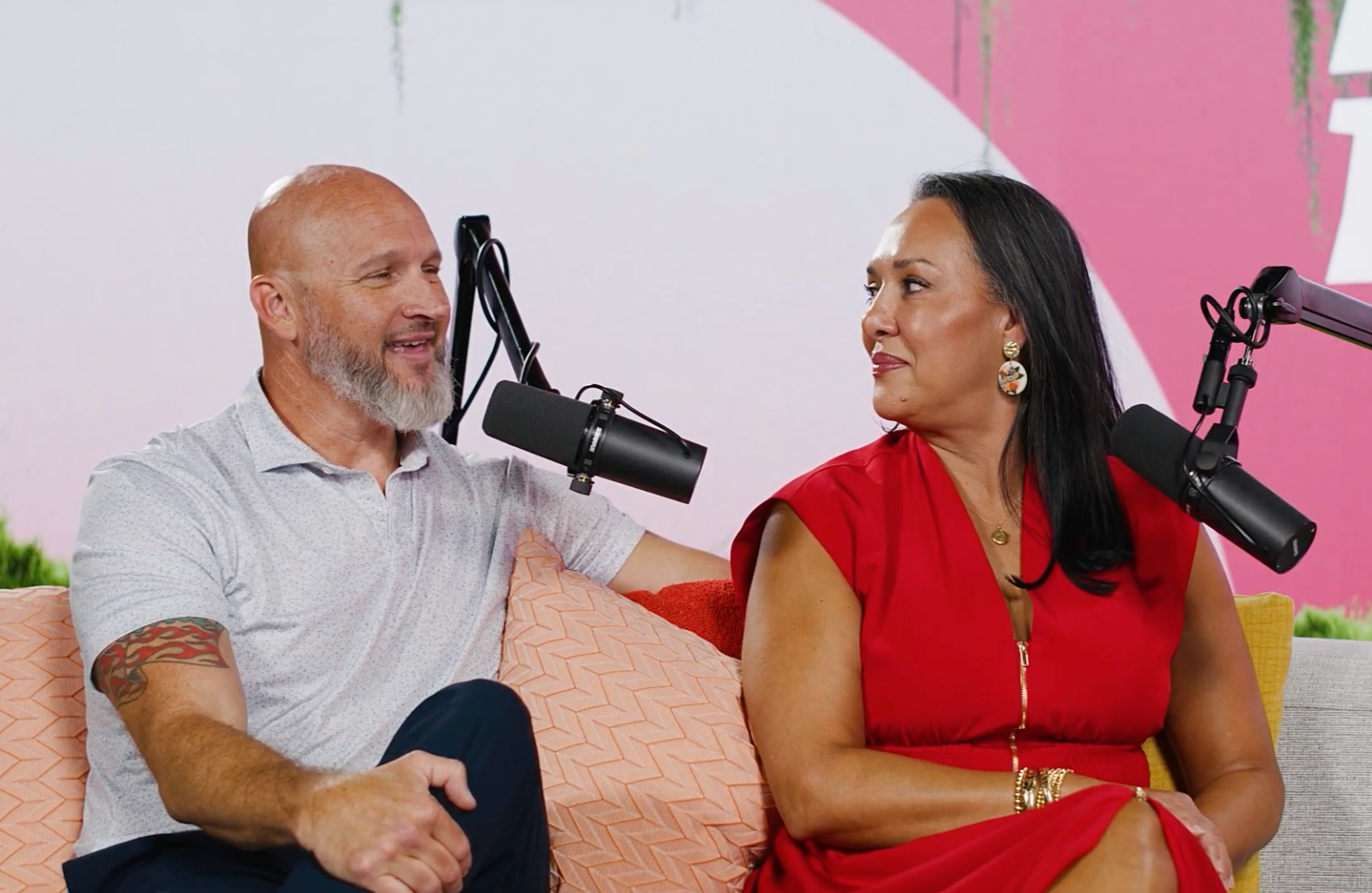
Nate: Iraq was the deployment everybody prepared us for.
The homecoming was the one nobody did.
That sentence is most of the reason we get asked to speak to military communities, and it's the sentence that usually makes a room go very quiet — because half the people in it have lived some version of it and have never once heard it said out loud from a stage.
The deployment everybody sees
When you deploy, you don't take a long business trip. You leave one world and step into another one, with different rules and different stakes, and then you're expected to step back across that line and pick up your old life like the same man walked back through the door.
He didn't. Nobody who goes comes back exactly the same.
Nate: I came home with what I now know to call post-traumatic stress. At the time I only knew something had changed and wouldn't change back. And I want to say the thing I most needed someone to say to me and nobody did: the cost was real, and naming it is not weakness. For years I thought the honorable choice was to absorb it silently and protect everyone else from the weight. I was wrong in a way that nearly cost me everything.
The front nobody puts a name to
Noemi: When Nate got home, people asked him what it had been like over there. Almost no one asked me what it had been like here.
I'm not bitter about that — it's just the reality of being the one who stays. The attention goes to the danger, and rightly so. But there's a second front, and it's the house. The children, the bills, the broken-down car, the middle-of-the-night fears, all of it carried alone while the person who was supposed to share the load is unreachable on the other side of the world.
And then he came home, and I had to grieve something I hadn't expected: I had prayed him home, and the man I got back wasn't the man who left. He was at our table and part of him was still somewhere I couldn't reach. In some ways I was lonelier than I'd been during the deployment. At least then, I knew why I was carrying it by myself.
The part most speakers leave out
We name PTSD and addiction from the stage. Plainly, and without hiding behind either one.
Nate: When something is screaming inside you and you don't have the tools or the words, you'll reach for anything that quiets it for an hour. I reached for things that made it worse, and those things get paid for by your marriage and your integrity at the same time. The trauma explains how I got to the edge. It does not excuse what I did once I was there. I had to stop saying "look what happened to me" and start saying "look what I'm doing and who I'm hurting." That sentence was the beginning of everything turning.
Noemi: And to the spouse married to the wounded person — your hurt is real too. You're allowed to grieve that the person who came back is different. You do not have to set yourself on fire to keep someone else warm.
That's the honesty we bring into a room. Not because it's dramatic, but because the silence around this cost is a large part of what makes it so heavy. Nobody tells you. So we do.
Also, the dishwasher
We should mention that reintegration is not all profound.
Somewhere in the first month home, there is an argument about how the dishwasher gets loaded, and it is never actually about the dishwasher. It's two people renegotiating every square inch of a house one of them ran alone for a year. We've learned to treat it as an actual milestone. If you're fighting about the silverware basket, congratulations — you're in the reentry phase, right on schedule.
Rooms laugh at that. Then somebody exhales, because they thought they were the only ones.
What a military audience doesn't need from a speaker
Hero worship. These couples don't need to be told they're heroic. They need to be told the truth.
Pity. Different flavor, same condescension.
A promise that 45 minutes will fix it. We don't sell that. We name it honestly, give couples language and next steps, and point plainly toward real help.
What they need is someone who's been in the room. That's what we are.
Where this talk fits
Chaplain-hosted marriage retreats. Family readiness and spouse group events. Unit-level marriage enrichment. First responder and ministry family gatherings — because the shape of this is nearly identical for police, fire, EMS, and pastors. Anyone who has poured their family out in service of something bigger already knows where this talk is going before we start.
Keynote, breakout, half-day workshop, or a full weekend retreat. And we travel — Georgia is home, but the plane works fine.
The thread
By every reasonable measure, our marriage should have come apart in those years. Two people separated by an ocean, each sinking under a weight the other couldn't see, both going silent at the exact moment connection mattered most.
We can't fully explain why we survived, except to say we were being held. The thread stretched across an ocean and across an immeasurable silence and did not snap. That's not a technique we can teach anyone. It's the reason we're still here to say anything at all.
Talk It Through
Questions for your planning team before you build this event:
What is the thing your community is carrying that nobody has said out loud yet?
Are the spouses who stayed home being served by this event, or just invited to it?
What real, local help can you put in people's hands the day they hear this?
If you're planning something for a military, first responder, or ministry community, tell us about it. We'd be honored to hear who's going to be in that room.
If trauma, addiction, or the wounds they leave in a marriage are part of your story right now, please don't carry it alone. In the U.S., the Veterans Crisis Line is 988, then press 1. If any form of abuse is present, call 911 in an emergency, or reach the National Domestic Violence Hotline at 1-800-799-SAFE (7233) or text START to 88788.
ABOUT THE AUTHOR
Life, Leadership, Legacy & Marriage Coach · 30+ Years of Leadership Experience
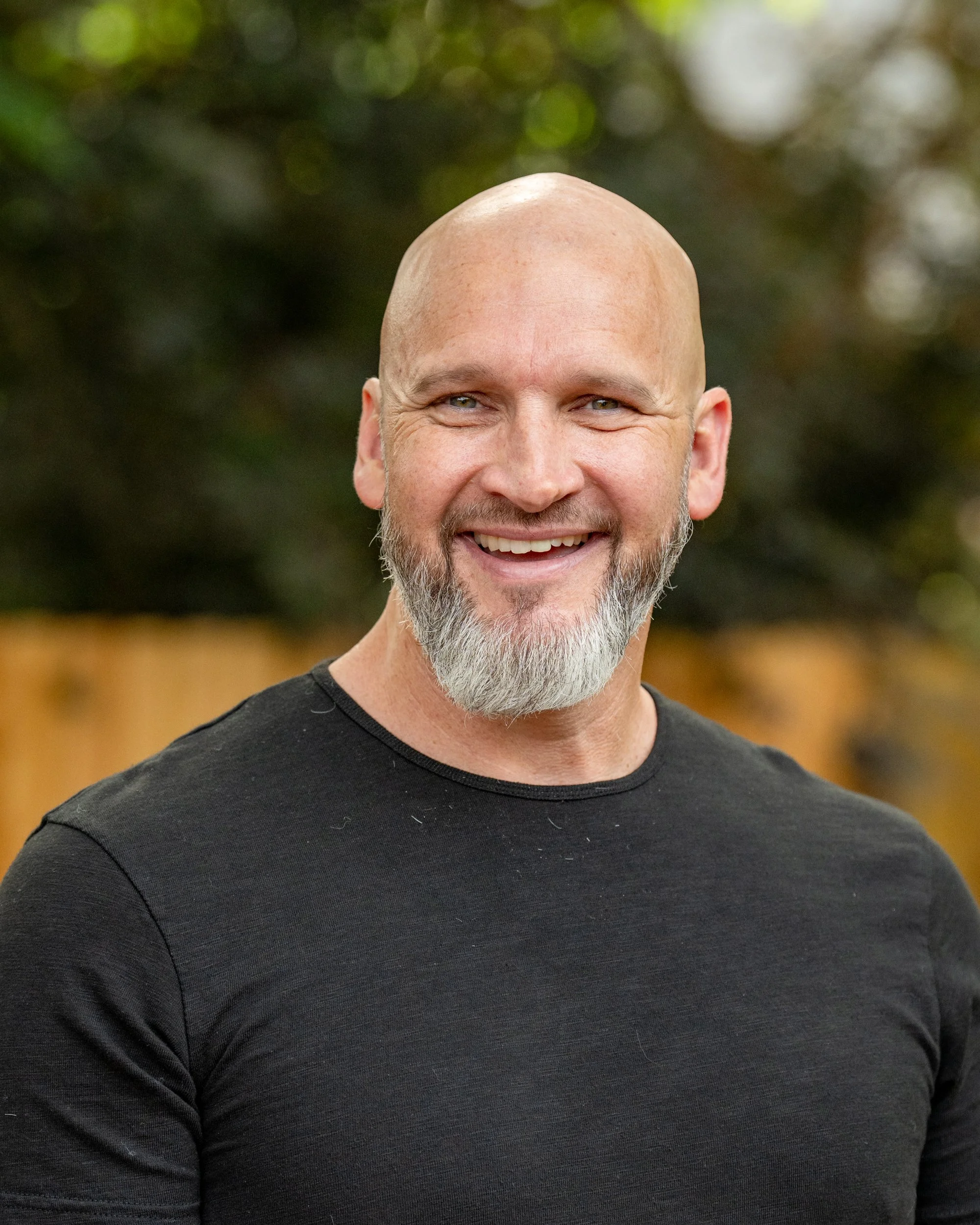
Nate Parsons is a life, leadership, legacy, and marriage coach and mentor with over 30 years of leadership experience spanning military, ministry, business, and personal development. He and his wife Noemi are the founders of S3 Leadership Solutions and On-Fire Marriage, dedicated to helping people across every life stage discover and fulfill their God-given purpose.
