
The Story You Tell Yourself
Part Three — The Narrated Self and the Embodied Self
A FOUR-PART SERIES · PART THREE OF FOUR
Last week we sat with the first domain — the self that God declared beloved before it had done a single thing worth loving. This week, two more: the self you narrate, and the self you live in.
2. Mental Identity: · The Narrated Self
When my coach called my name in that huddle, my mind went to work immediately. And the story it told me was not a kind one. It told me I was going to fail. It reminded me of everything I had never done. It projected a Saturday morning catastrophe in vivid detail — long before a single pitch had been thrown.
Cognitive psychology has a name for this: the negativity bias — our brain’s deeply wired tendency to weight threats and failures more heavily than opportunities and successes. For most of us, this bias plays out in the internal narrative we carry about ourselves. Who told you that you were not enough? Who first suggested that you did not have what it takes? Wherever that voice originated — a parent, a teacher, a coach, a classroom, a failed relationship, a financial setback — it has been narrating your life ever since, often without your conscious awareness.
The mental work of identity is the work of narrative reconstruction. It is not denial — we do not pretend the bad things did not happen. But we do insist on a fuller story. The psychologist Dan McAdams, who spent his career studying how people construct personal narratives, found that the people with the healthiest sense of self were those who had learned to weave even their painful experiences into what he called a “redemptive narrative” — a story where suffering is real, but not final.
This is, of course, the story the Gospel tells. Not that the cross did not happen. Not that the pain was not real. But that Friday is not the final chapter.
“The person who controls their story controls their future. The person whose story controls them will always be a prisoner of their past.”
My father helped me rewrite the story that week. Every successful pitch to his old glove was a sentence in a new chapter — one where I was capable, one where I was being prepared, one where Saturday was not a sentence but an opportunity. By the time I took the mound, my mind had been partially renewed. The fear was not gone, but the story had changed.
What is the story you are telling yourself about who you are? About what you are capable of? About whether you deserve to stand on the mound?

3. Physical Identity: · The Embodied Self
We tend to underestimate how much our sense of identity lives in our bodies. But consider what happened to me on that mound. The moment that umpire shouted “Strike!” — I felt it. In my chest. In my gut. In the involuntary grin that took over my face before my brain had time to process what happened.
Identity is not only a theological proposition or a psychological framework. It is embodied. It is lived in the physical experience of showing up, doing the hard thing, and discovering that your body — your hands, your voice, your presence — is capable of more than fear told you.
I urge you, brothers and sisters, in view of God’s mercy, to offer your bodies as a living sacrifice, holy and pleasing to God — this is your true and proper worship.
— Romans 12:1
The body matters. How you steward it, how you discipline it, how you show up in it — these are acts of identity formation, not just fitness choices. Research in embodied cognition consistently shows that people who engage in physical challenges and discipline experience measurable increases in confidence, emotional regulation, and what researchers call “self-efficacy” — the belief that you are capable of affecting outcomes in your life. In other words, doing hard things in your body teaches your mind and your spirit something that cannot be learned in a lecture. You discover what you are made of by using what you are made of.
EARLY YEARS: Commit to physical discipline — not to look a certain way, but to build an identity of consistency and resolve.
BUILDING YEARS: Reclaim the physical health that got crowded out by career and family demands.
PEAK YEARS: Embrace the discipline of longevity — caring for the body that carries you into your highest-impact years.
LEGACY YEARS: Be the witness of someone who finishes well — who crosses the finish line with their boots on.
NEXT WEEK · PART FOURDeclared, narrated, embodied — three domains, one person. But I promised at the start that I would not lose the story in the theology. So next week we go back to the diamond one last time, for the three lessons that mound planted in me — and the different jersey I eventually came to wear.This week, ask the two questions the body and the story keep asking: What am I telling myself? And what would it take to find out, in my own skin, that I’m more than fear said? See you next week for the lessons.
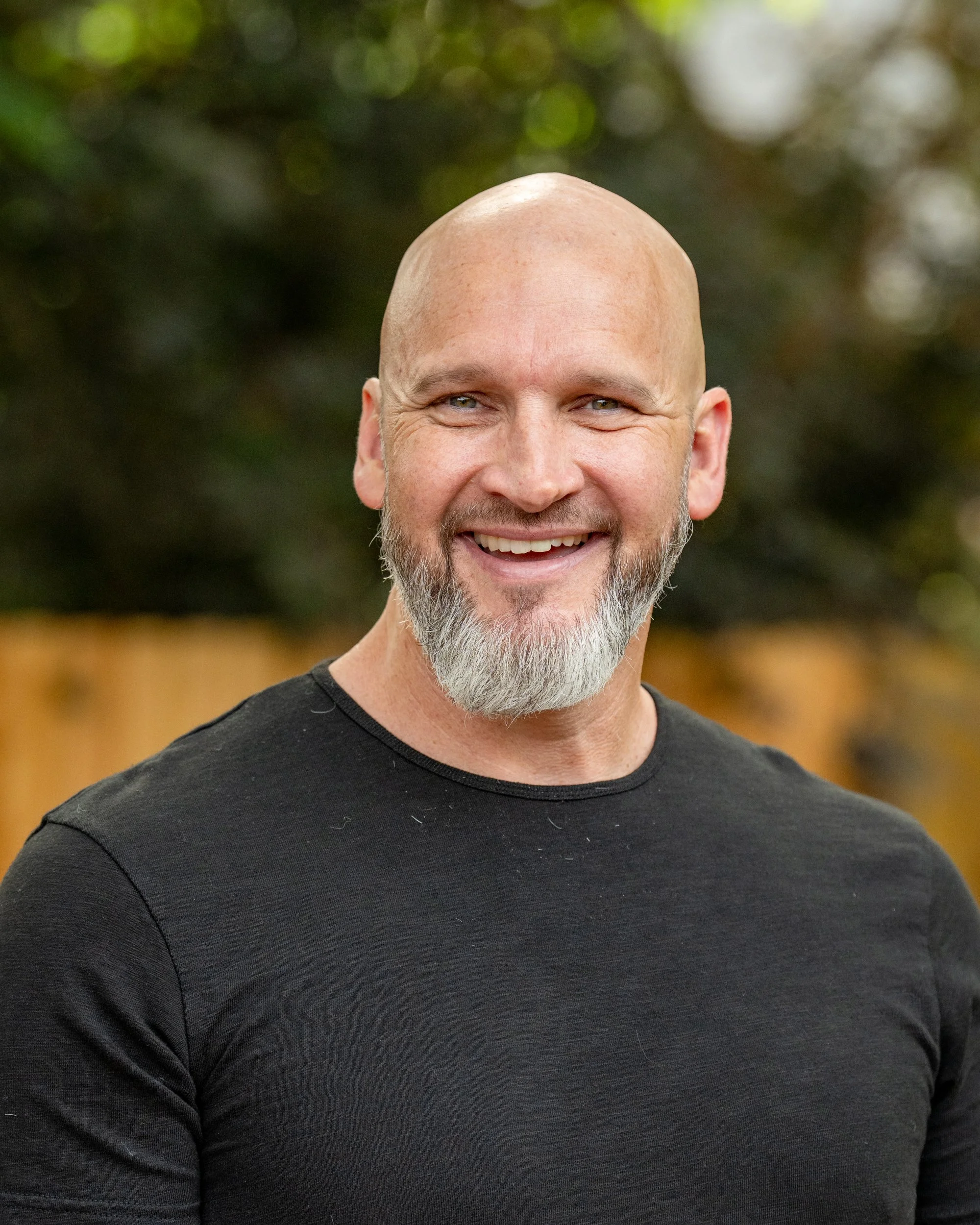
ABOUT THE AUTHOR
Life, Leadership, Legacy & Marriage Coach · 30+ Years of Leadership Experience
Nate Parsons is a life, leadership, legacy, and marriage coach and mentor with over 30 years of leadership experience spanning military, ministry, business, and personal development. He and his wife Noemi are the founders of S3 Leadership Solutions and On-Fire Marriage, dedicated to helping people across every life stage discover and fulfill their God-given purpose.
